Navigating Tax Rules and Allowances for Contractors in Suffolk
Working on major infrastructure projects in Suffolk brings significant opportunities, but it also necessitates a clear understanding of your tax position. For contractors, distinguishing between legitimate business expenses and personal costs is crucial. This guide from Sizewell Stays aims to demystify some of the key tax implications and allowances relevant to your accommodation and subsistence while working away from your main home.
Understanding "Temporary Workplace" Status When Working on Major Local Projects
One of the most important concepts for contractors to Grasp when claiming expenses is the definition of a "temporary workplace" by HMRC. For your accommodation and travel costs to be tax-deductible, your work site in the Sizewell area must be considered a temporary workplace, not a permanent or extended permanent one.
HMRC defines a temporary workplace as somewhere you attend for a limited duration or for a temporary purpose. Generally, if you expect to spend, or do spend, less than 24 months at a particular location, and you spend less than 40% of your working time there, it can be classed as temporary. Given the multi-year nature of large construction projects in the area, individual contracts are likely to be for specific phases or durations, which often fall within this "temporary" definition for many contractors.
It’s vital to note that each contractor's situation is unique, and professional advice should always be sought from a qualified accountant. However, a common scenario for contractors working on local projects is that their engagement aligns with the temporary workplace criteria, opening avenues for legitimate expense claims.
Accommodation Expenses: A Key Consideration
For contractors whose main home is a significant distance from the Sizewell area, accommodation in Suffolk becomes a necessary expense. When your work site is deemed a temporary workplace, certain accommodation costs can be tax-deductible.
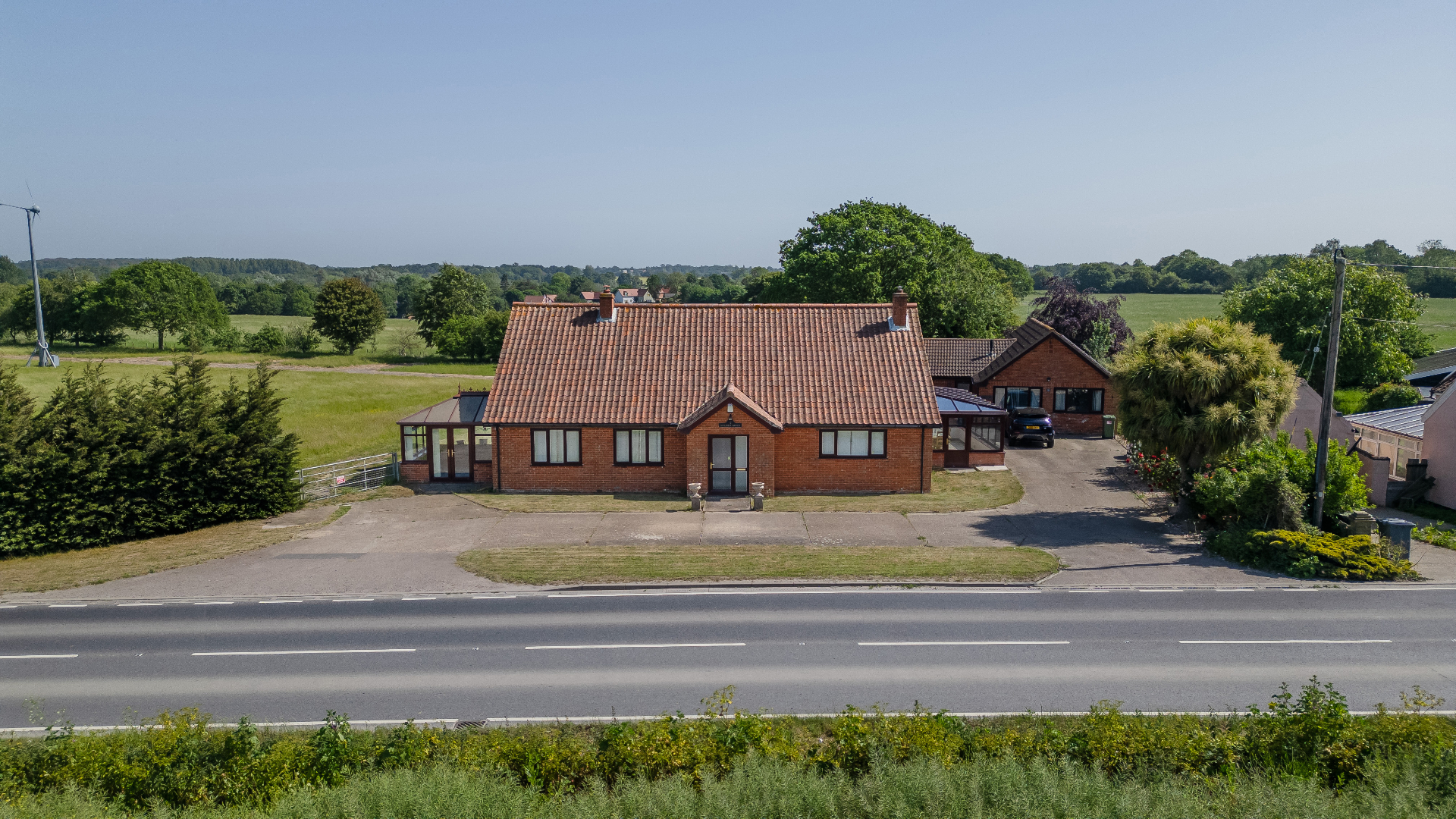
Sizewell Stays provides fully furnished homes across Suffolk, including towns like Saxmundham, Leiston, Southwold, Aldeburgh, Woodbridge, Ipswich, Halesworth, Wenhaston, and Blyford. Our all-inclusive pricing model – covering utilities, WiFi, parking, linen, and cleaning – simplifies expense tracking for contractors.
What can typically be claimed (subject to HMRC rules and individual circumstances):
- Rent: The cost of your temporary accommodation.
- Utilities: Electricity, gas, water, internet (often bundled in Sizewell Stays properties).
- Council Tax: If not included in your rental agreement, this could also be a legitimate expense.
By choosing an all-inclusive option like Sizewell Stays, you receive a single invoice, simplifying your record-keeping – a crucial aspect for HMRC compliance.
Travel and Subsistence (T&S) Allowances
Beyond accommodation, contractors often incur costs for travel to and from their work site in the Sizewell area, and for daily subsistence. Again, the "temporary workplace" rule is paramount here.
Travel Expenses:
If your work site is a temporary workplace, you can typically claim the cost of travel between your main home and your temporary accommodation, and between your temporary accommodation and the work site. This could include:
- Fuel costs
- Public transport fares (trains, buses)
- Mileage (HMRC approved mileage rates apply for using your own vehicle)
HMRC Approved Mileage Rates (as of 2026-07-08):
| Vehicle Type | First 10,000 Miles (per mile) | Over 10,000 Miles (per mile) |
|---|---|---|
| Cars and Vans | 45p | 25p |
| Motorcycles | 24p | 24p |
| Bicycles | 20p | 20p |
These rates cover the running costs of your vehicle, including fuel, wear and tear, and servicing. Keep accurate mileage records, including dates, destinations, and business purpose.
Subsistence Expenses:
Subsistence covers the cost of food and non-alcoholic drinks you incur while working away from home. While HMRC doesn't provide specific "allowances" for food in the same way as mileage, you can claim for reasonable costs incurred. This means keeping receipts for meals purchased while at or travelling to/from your work site in the local area.
Common pitfalls to avoid:
- Claiming for meals eaten at your permanent home.
- Claiming for excessively luxurious meals.
- Failing to keep meticulous records.
IR35 and Its Impact on Expenses
It’s impossible to discuss contractor tax without mentioning IR35 (off-payroll working rules). The rules, particularly in the private sector, shifted in April 2021. For a large local infrastructure project, the responsibility for determining your IR35 status typically falls to the end client or the recruitment agency you work through. It's crucial to understand your status as this can affect which expenses you are eligible to claim.
Disclaimer: Sizewell Stays does not provide tax, legal or financial advice. The information in this article is for general guidance only, may not reflect your individual circumstances, and tax legislation is subject to change. You must consult a qualified tax specialist, accountant or solicitor before acting on anything discussed above. Abode Retreats Ltd (trading as Sizewell Stays) accepts no liability for any loss or action taken in reliance on this content.